Vanished Legends: The Glorious Rise and Tragic Fall of Iconic Automobile Companies
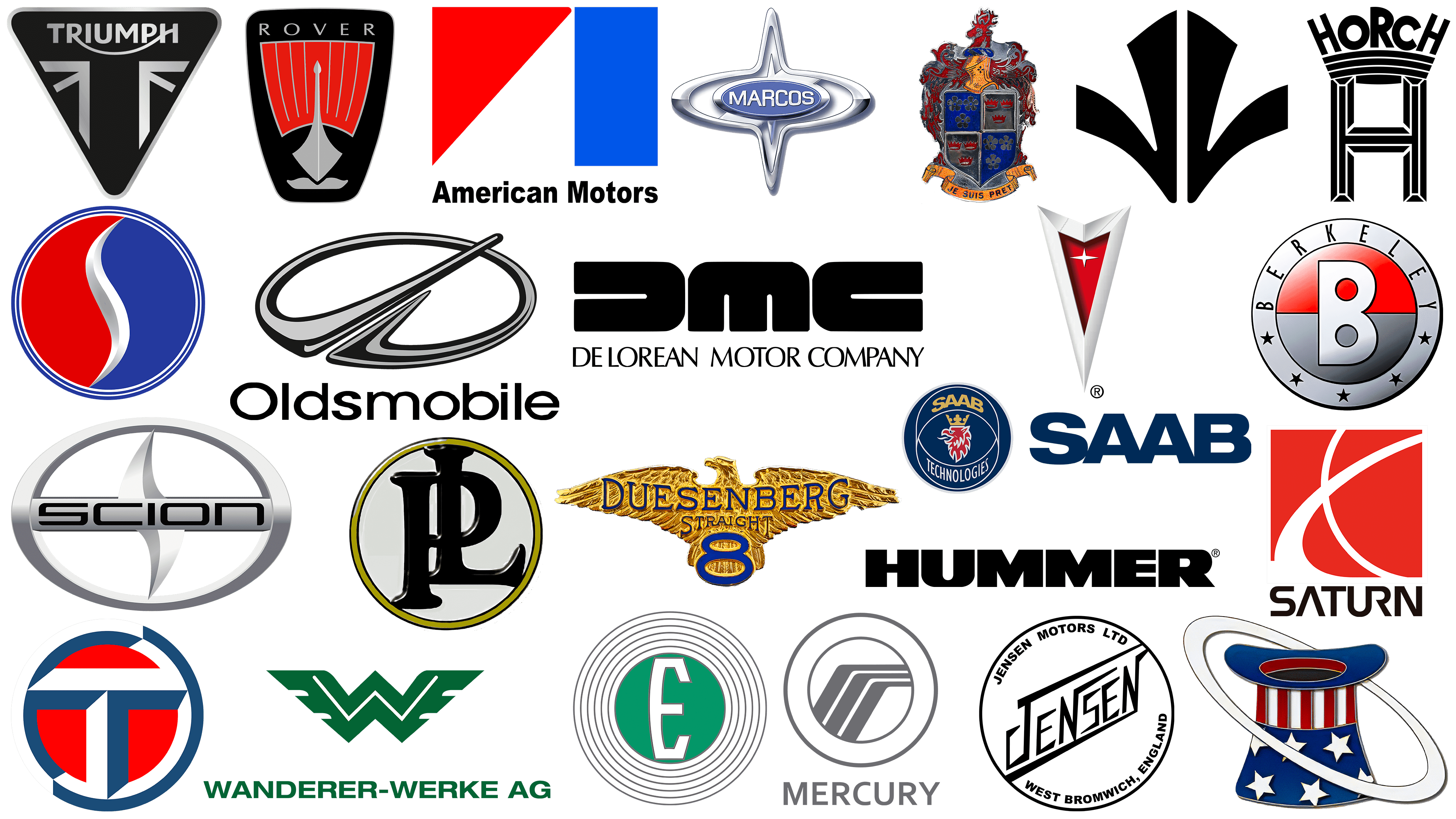
Greetings, Automotive Historians and Nostalgia Seekers!
Buckle up for a captivating journey through the annals of automotive history, as we explore the rise, glory, and heartbreaking demise of once-mighty automobile companies. From pioneering innovations to tragic endings, these vanished legends left an indelible mark on the roadways of time.
1. Packard: The Luxury Pioneer:
Our first stop on this historical highway is Packard, an American luxury car manufacturer that stood tall during the early to mid-20th century. Renowned for its opulent craftsmanship and groundbreaking innovations, Packard's "Ask the Man Who Owns One" slogan defined an era. However, financial challenges and changing consumer preferences led to Packard's merger with Studebaker in 1954, marking the end of an automotive era.
Fun Fact: The last Packard rolled off the assembly line on June 25, 1956, forever sealing the fate of a once-glorious luxury brand.
2. Studebaker: The Survivor Turned Casualty:
Studebaker, another American automaker, endured for more than a century before succumbing to the winds of change. With innovations like the sleek Avanti and the distinctive Lark, Studebaker carved its niche. However, economic woes, fierce competition, and an inability to keep pace with the rapidly evolving industry dynamics led to the closure of Studebaker's automotive division in 1966.
Fun Fact: The Avanti, a stunningly designed car, became the world's fastest production car in 1963.
3. DeLorean: The Fluxed Legacy:
The DeLorean Motor Company, immortalized by the iconic stainless steel gull-winged DMC-12, achieved instant fame but faced a tragic demise. Despite its futuristic design and the starring role in "Back to the Future," financial mismanagement and legal troubles plagued the company. By 1982, the dream of the DeLorean had fizzled, leaving a trail of unsold inventory and dashed hopes.
Fun Fact: Only around 9,000 DeLorean cars were produced, making them highly sought-after collector's items.
4. Tucker: The Visionary's Dream:
Preston Tucker's audacious dream of revolutionizing the automotive industry resulted in the Tucker 48, a car packed with innovations like a third headlight that turned with the steering wheel. However, financial difficulties, legal battles, and allegations of stock fraud led to the downfall of Tucker Corporation in 1949, after producing just 51 cars.
Fun Fact: The Tucker 48 had numerous safety features, including a padded dashboard and a pop-out windshield.
5. Pontiac: The Muscle Car Martyr:
Pontiac, once the epitome of American muscle cars, faced its curtain call in 2010. Born from General Motors, Pontiac boasted iconic models like the GTO and Firebird. However, the brand fell victim to GM's restructuring in the wake of the financial crisis, and the last Pontiac, a G6 sedan, rolled off the assembly line in April 2009.
Fun Fact: The Pontiac GTO is considered the first muscle car, setting the stage for an era of high-performance vehicles.
6. Saab: The Quirky Innovator:
Hailing from Sweden, Saab carved a niche with its unconventional designs, safety features, and turbocharged engines. Despite a loyal fanbase and a reputation for innovation, Saab faced financial troubles. In 2011, after several ownership changes and failed revival attempts, Saab filed for bankruptcy, closing the chapter on a brand that once symbolized Scandinavian ingenuity.
Fun Fact: Saab was the first automaker to introduce headlight wipers and washers.
7. Oldsmobile: The Centenarian's Farewell:
Oldsmobile, a venerable name in American automotive history, faced the end of the road in 2004. Founded in 1897, Oldsmobile pioneered innovations like the automatic transmission. However, changing market dynamics and GM's restructuring led to the discontinuation of the brand after 107 years.
Fun Fact: The Oldsmobile Curved Dash, introduced in 1901, is considered the first mass-produced American car.
8. Mercury: The Forgotten Midway:
Once a bridge between mainstream Ford and premium Lincoln, Mercury thrived during the mid-20th century. However, as Ford restructured and focused on its core brands, Mercury faced a decline in relevance. In 2010, after 72 years of production, Ford announced the discontinuation of the Mercury brand.
Fun Fact: The Mercury Cougar, introduced in 1967, was a pivotal model that combined performance with luxury.
9. Hummer: The Rise and Fall of the Gas-Guzzling Titan:
Born from military roots, the Hummer brand gained fame for its robust SUVs that dominated the urban jungle. However, as fuel efficiency became a focal point, Hummer faced scrutiny. In 2010, amidst financial woes and changing consumer sentiments, General Motors announced the discontinuation of the Hummer brand.
Fun Fact: Arnold Schwarzenegger was a prominent Hummer enthusiast and played a role in popularizing the brand.
10. AMC: The Maverick Trailblazer:
American Motors Corporation (AMC) was a scrappy underdog in the automotive arena, known for innovative models like the AMC Eagle and the Jeep line. Despite moments of success, AMC struggled against larger competitors. In 1987, Chrysler purchased AMC, marking the end of an independent American automaker.
Fun Fact: The AMC Pacer, known for its distinctive design, became a cultural icon and is featured in numerous films.
Closing the Garage: A Symphony of Echoes:
As we park our journey through the bygone garages of automotive history, we honor these vanished legends. Each had its moment in the sun, contributing to the rich tapestry of the automotive world. The rise and fall of these companies are chapters in a story that continues to unfold, as new names emerge, and the industry evolves.
So, fellow enthusiasts, let's rev our engines in tribute to these automotive pioneers – the glorious phoenixes that once soared but now live on in the echoes of memory.
READ MORE ABOUT THE TOPIC HERE
Nostalgically yours,
Mirza Abdul Hannan
Automotive Archaeologist


Comments
Post a Comment